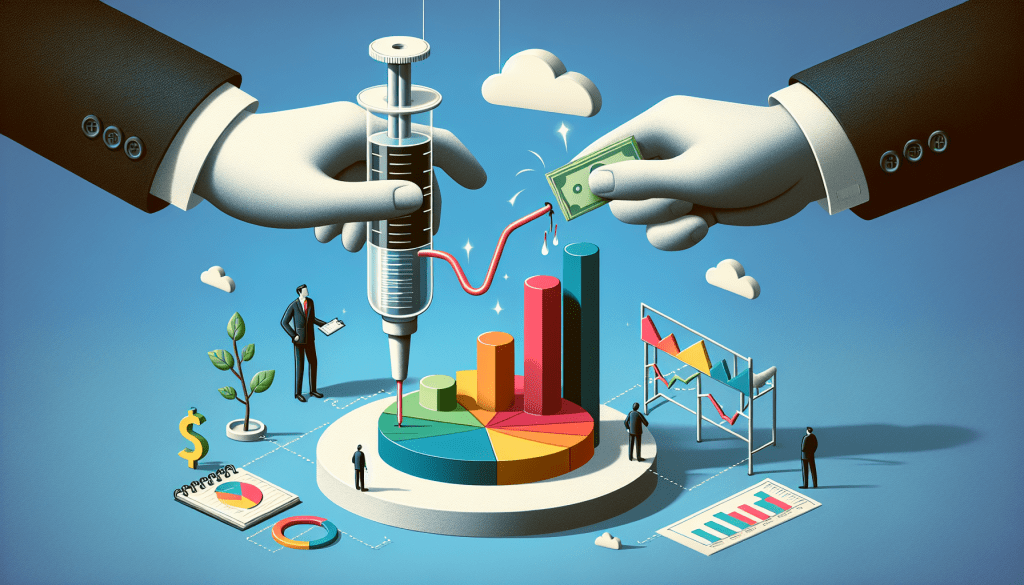
The concept of a multiplier in economics is a crucial tool used to analyze the impact of external forces on the economy. In the context of economic stimulus, a multiplier refers to the proportional amount of increase in final income that results from an injection of capital into the economy.
This injection can take various forms, such as government spending, tax cuts, or monetary policy changes.The multiplier effect is a key component of Keynesian economic policy, which emphasizes the role of government intervention in stabilizing the economy during times of recession or economic downturn.
The idea is that by increasing government spending or cutting taxes, the government can stimulate the economy by injecting more money into the system. This injection of capital then gets multiplied as it circulates through the economy, generating additional income and economic activity.
The multiplier is calculated by dividing the amount of money added to the economy by the difference in the increase in income. For instance, if a government spends $300,000 on infrastructure projects, and this leads to an additional $600,000 in revenue generated by local businesses, the multiplier would be 2. This means that for every dollar spent by the government, the economy generates an additional two dollars of income.
The multiplier effect is important because it helps policymakers understand the potential impact of their economic policies on the overall economy. By knowing the multiplier, they can better gauge the effectiveness of their interventions and make more informed decisions about how to allocate resources to achieve the desired economic outcomes.In the context of the current economic crisis, the concept of a multiplier is particularly relevant. As governments and central banks implement various stimulus measures to combat the economic downturn, understanding the multiplier effect can help them optimize their policies to maximize the economic benefits.
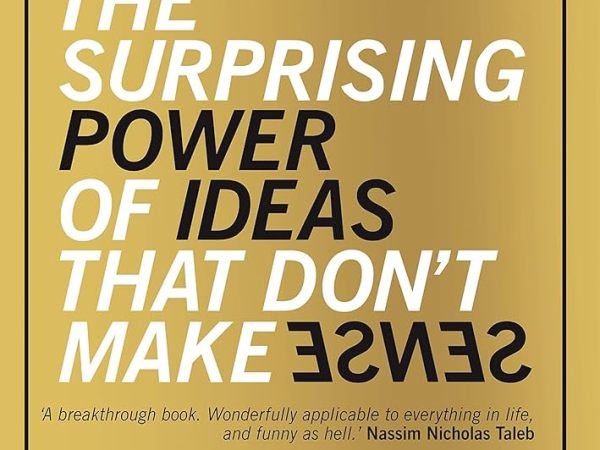
“The Alchemy” by Rory Sutherland
Rory Sutherland’s “Alchemy” challenges the belief that logical reasoning is essential for effective decision-making. He introduces concepts like psycho-logic and satisficing, emphasizing the emotional and symbolic aspects of human behavior to uncover creative solutions beyond strict rationality.
Keep reading
The Role of Carry Trading in the Recent Market Crash
In the intricate world of finance, carry trading stands out as a strategy that can yield substantial returns by exploiting interest rate differentials between currencies.
Keep reading
The Gig Economy: A Modern Trend with Untapped Potential
The gig economy, driven by digital platforms and workforce preferences, offers businesses agility, cost savings, access to diverse talent, and innovation. However, it also poses challenges requiring strategic adaptation for long-term success.
Keep readingSomething went wrong. Please refresh the page and/or try again.
 gabrieltrabka.com
Leave a comment