
Carry trading, a popular strategy among investors, has recently come under scrutiny due to its significant role in the latest market crash. This blog will delve into the mechanics of carry trading, its appeal, and how recent developments in Japan have led to a global financial upheaval.
What is Carry Trading?
Carry trading involves borrowing money in a currency with a low interest rate and investing it in a currency with a higher interest rate. The profit comes from the difference between the low borrowing cost and the higher returns on the investment, known as the “carry.”
The Appeal of Carry Trading
Carry trading is attractive for several reasons:
- High Potential Returns: By exploiting interest rate differentials, traders can achieve substantial returns.
- Leverage: Investors often use leverage to amplify their gains, borrowing more than their initial capital.
- Diversification: This strategy can diversify an investment portfolio by involving multiple currencies and markets.
The Recent Market Crash: The Role of Carry Trading
The recent market crash has highlighted the risks associated with carry trading, particularly in the context of Japan’s economic situation. Here’s how it unfolded:
- Japan’s Ultra-Low Interest Rates: For years, Japan has maintained ultra-low interest rates, making the yen an attractive currency for carry trades. Investors borrowed yen at low costs and invested in higher-yielding assets globally.
- Policy Changes by the Bank of Japan: In early August 2024, the Bank of Japan (BoJ) unexpectedly raised interest rates and signaled further increases. This move caught many investors off guard, as it increased the cost of borrowing yen.
- Unwinding of Carry Trades: As borrowing costs rose, investors began unwinding their carry trades. This involved selling off their investments in higher-yielding assets to repay their yen-denominated loans. The sudden and massive sell-off led to a sharp decline in global stock markets.
- Market Volatility: The unwinding of carry trades created a ripple effect, exacerbating market volatility. Investors’ anxiety about the economic outlook and the performance of major technology companies further fueled the sell-off.
The Broader Implications
The recent market crash underscores the interconnectedness of global financial markets and the potential risks of carry trading:
- Exchange Rate Risk: Currency fluctuations can significantly impact the profitability of carry trades. In this case, the appreciation of the yen increased the cost of repaying loans.
- Interest Rate Risk: Changes in interest rates can alter the dynamics of carry trades, as seen with the BoJ’s policy shift.
- Market Sentiment: The unwinding of carry trades can trigger broader market sell-offs, as investors rush to close their positions.
Conclusion
Carry trading, while potentially lucrative, carries inherent risks that can have far-reaching consequences. The recent market crash, driven by the unwinding of yen carry trades, serves as a stark reminder of these risks. As global financial markets remain volatile, understanding the mechanics and implications of carry trading is crucial for investors and policymakers alike.
By examining the recent events in Japan, we gain valuable insights into the complexities of carry trading and its impact on global markets. This knowledge can help us navigate future financial challenges and make more informed investment decisions.
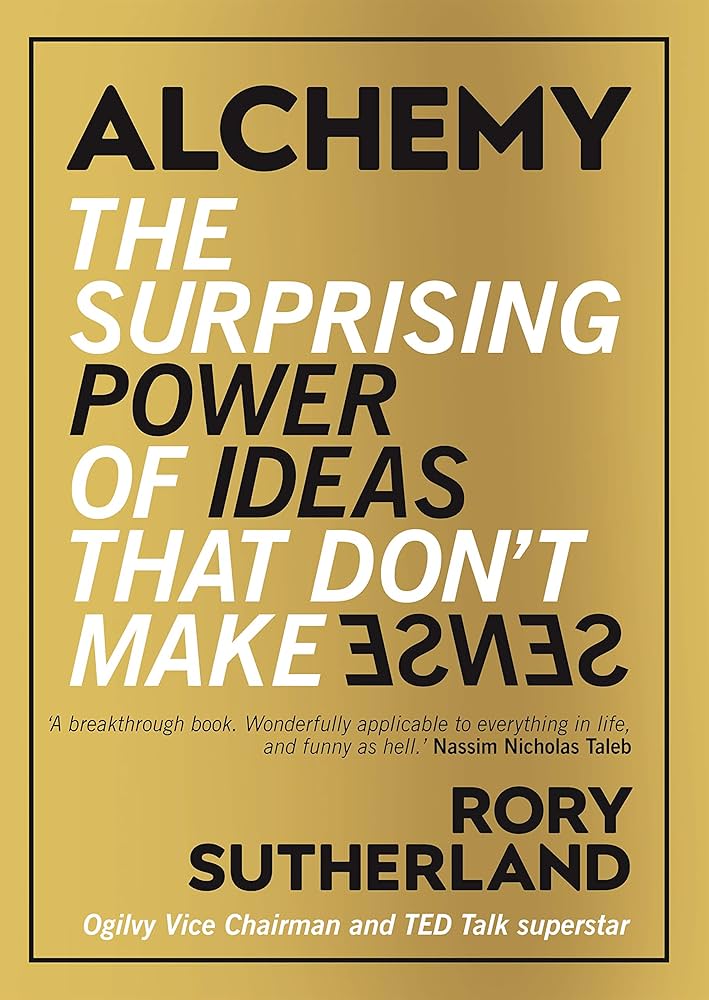
“The Alchemy” by Rory Sutherland
Rory Sutherland’s “Alchemy” challenges the belief that logical reasoning is essential for effective decision-making. He introduces concepts like psycho-logic and satisficing, emphasizing the emotional and symbolic aspects of human behavior to uncover creative solutions beyond strict rationality.


The Gig Economy: A Modern Trend with Untapped Potential
The gig economy, driven by digital platforms and workforce preferences, offers businesses agility, cost savings, access to diverse talent, and innovation. However, it also poses challenges requiring strategic adaptation for long-term success.
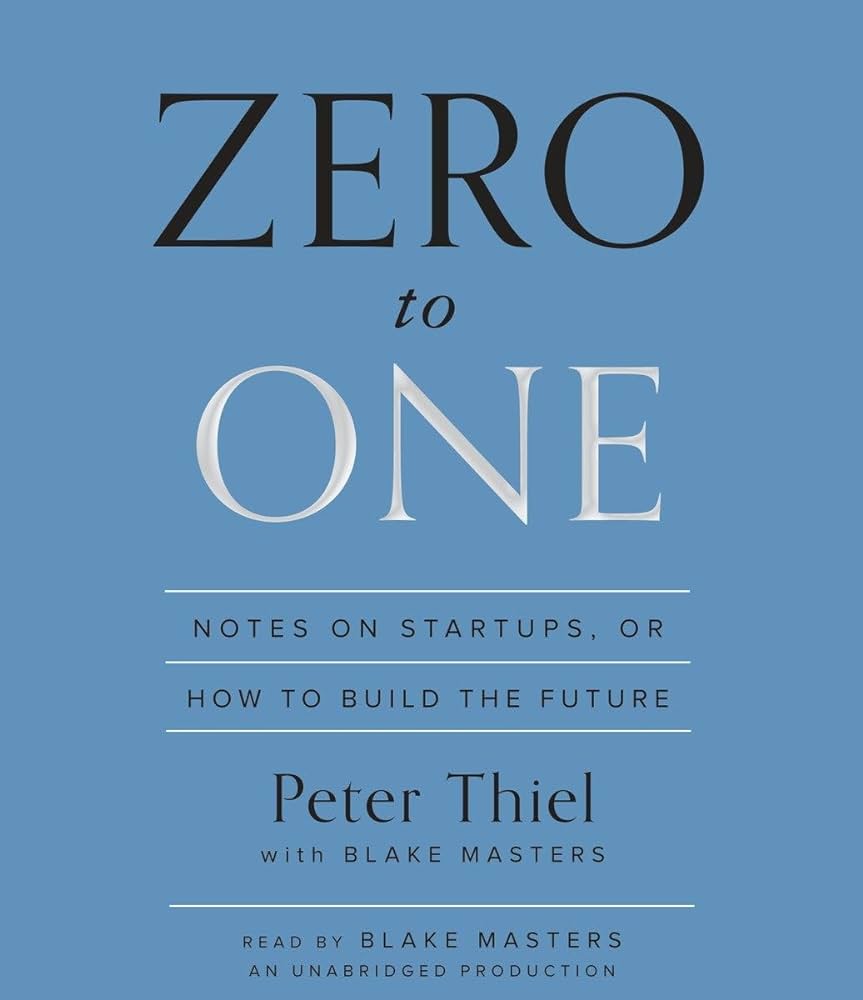
“Zero to One” by Peter Thiel
Peter Thiel’s “Zero to One” is a thought-provoking book that challenges conventional business wisdom, emphasizing original innovation, the significance of monopolies, and the pursuit of “secrets” for entrepreneurial success.
 gabrieltrabka.com
Leave a comment