
There are diversions everywhere in the busyness of the modern world. They steal our attention, which makes it harder for us to focus on our task and accomplish our objectives. In his book “Dopamine Detox,” Thibaut Meurisse provides a remedy for this common problem.
One neurotransmitter that is important for our experience of pleasure is dopamine, which is a chemical messenger in the brain. It serves as the impetus for our goals and aspirations. But because we are continually stimulated in today’s culture, our dopamine levels are excessive. Our restlessness and procrastination can result from this overstimulation.
Even the most thrilling objectives can look uninteresting when we’re overstimulated because of the quick satisfaction that comes from distractions like social media, video games, or even a straightforward stroll. Here’s where the idea of a dopamine detoxification comes into play.
A period of time spent refraining from dopamine-releasing activities is known as a dopamine detox. We can restore our focus and work on our important duties by lowering our degree of stimulation.
Meurisse offers a straightforward, three-step process for carrying out an effective dopamine detox. The first step is to comprehend the actions of dopamine. Identifying and getting rid of distractions is the second step. Utilizing useful exercises and strategies to prevent overstimulation and maintain focus is the last phase.
There are various advantages to finishing a dopamine detox. It can assist you in regaining attention, lowering agitation, and boosting output. It may also facilitate your ability to become enthusiastic about your main objectives.
Anyone seeking to improve their focus and overcome distractions should read Thibaut Meurisse’s “Dopamine Detox”. It offers helpful insights into how we can easily work toward our goals with its simple tactics and useful exercises.
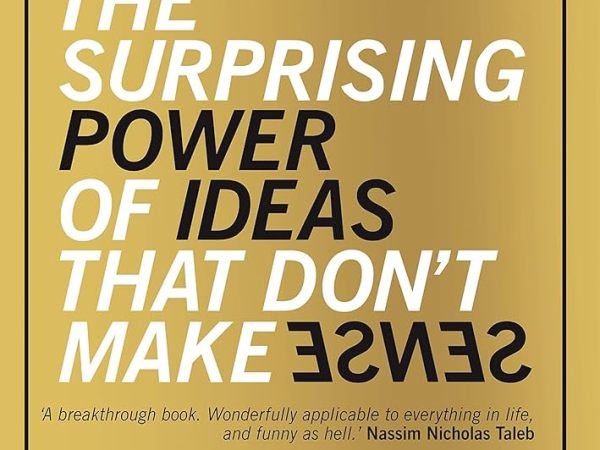
“The Alchemy” by Rory Sutherland
Rory Sutherland’s “Alchemy” challenges the belief that logical reasoning is essential for effective decision-making. He introduces concepts like psycho-logic and satisficing, emphasizing the emotional and symbolic aspects of human behavior to uncover creative solutions beyond strict rationality.
Keep reading
The Role of Carry Trading in the Recent Market Crash
In the intricate world of finance, carry trading stands out as a strategy that can yield substantial returns by exploiting interest rate differentials between currencies.
Keep reading
The Gig Economy: A Modern Trend with Untapped Potential
The gig economy, driven by digital platforms and workforce preferences, offers businesses agility, cost savings, access to diverse talent, and innovation. However, it also poses challenges requiring strategic adaptation for long-term success.
Keep readingSomething went wrong. Please refresh the page and/or try again.
 gabrieltrabka.com
Leave a comment