One of the most important concerns of our day is climate change, which has profound effects on the world economy. The possible expenses of natural disasters, the effect on agricultural productivity, and the financial advantages of tackling climate change will be the three main topics of this article.
The Rising Costs of Natural Disasters
Naturally occurring disasters now tend to happened more frequently and with greater intensity due to climate change. The World Economic Forum estimates that by 2050, the annual cost of climate change damage will range from $1.7 trillion to $3.1 trillion worldwide. Extreme weather occurrences have cost the world economy an estimated $2.8 trillion over the last 20 years.
According to a Yale University study, by 2040, the direct costs of natural disasters—which are currently estimated to be $195 billion annually—may reach $234 billion. These expenses cover harm to people’s health, property, agriculture, and infrastructure.
Natural disaster costs are expected to reach $234 billion by 2040, which is about 9.4 times NASA’s present yearly budget. This comparison demonstrates how much more money will be lost as a result of natural disasters than will be invested by the United States in space research and innovation.
Impact on Agricultural Productivity
Due to climate change, agriculture—a sector that is extremely vulnerable to variations in weather—is facing several difficulties. Lower crop yields are frequently the result of rising temperatures and shifting weather patterns because of water scarcity brought on by heat waves, droughts, and flooding.
Studies reveal that the effects of climate change on agricultural productivity are largely detrimental. A research indicated that productivity today would be 21% higher if climate change didn’t occur. According to another analysis, the production of the main cereal crops is expected to fall by the year 2100 if the current trends in greenhouse gas emissions and climate change continue.
The Economic Benefits of Addressing Climate Change
Not only is combating climate change necessary for the environment, but it also presents business opportunities. In many regions of the world, prompt and decisive climate action can dramatically increase GDP, speeding growth and creating new job opportunities.
According to a World Economic Forum research, the global economy may benefit by $43 trillion in net present value by 2077 if we act decisively on climate change today. This includes switching to a cleaner energy system, which will lessen the risks of extreme weather now and in the future, as well as the associated expenses.
A Holistic View on Climate Change
It is crucial to recognize that Earth’s climate has always been influenced by natural cycles, even while human activity has greatly accelerated climate change. Over millions of years, these cycles—like the Milankovitch cycles—have significantly influenced the climate of Earth.
The Earth’s long-term climate is significantly influenced by variations in Earth’s location with respect to the Sun, which are collectively referred to as the Milankovitch cycles. These include the eccentricity, or shape, of Earth’s orbit, the obliquity, or angle at which Earth’s axis is tilted with regard to the orbital plane, and the precession, or direction, at which Earth’s axis of rotation is pointed. These cycles affect when glaciers and warming occur because they change how much solar radiation reaches Earth.
Conclusion
The effects of climate change on the economy are extensive and severe. However, we can lessen these effects and generate large economic gains if we act quickly and decisively. It is imperative that we see the battle against climate change as an opportunity for equitable and sustainable economic growth as well as a problem going forward.
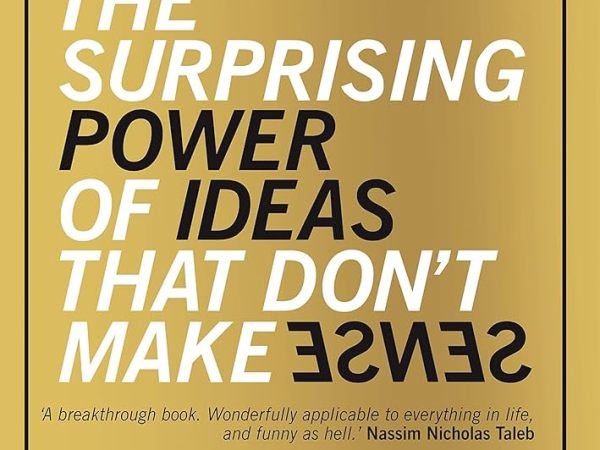
“The Alchemy” by Rory Sutherland
Rory Sutherland’s “Alchemy” challenges the belief that logical reasoning is essential for effective decision-making. He introduces concepts like psycho-logic and satisficing, emphasizing the emotional and symbolic aspects of human behavior to uncover creative solutions beyond strict rationality.
Keep reading
The Role of Carry Trading in the Recent Market Crash
In the intricate world of finance, carry trading stands out as a strategy that can yield substantial returns by exploiting interest rate differentials between currencies.
Keep reading
The Gig Economy: A Modern Trend with Untapped Potential
The gig economy, driven by digital platforms and workforce preferences, offers businesses agility, cost savings, access to diverse talent, and innovation. However, it also poses challenges requiring strategic adaptation for long-term success.
Keep readingSomething went wrong. Please refresh the page and/or try again.
 gabrieltrabka.com
Leave a comment