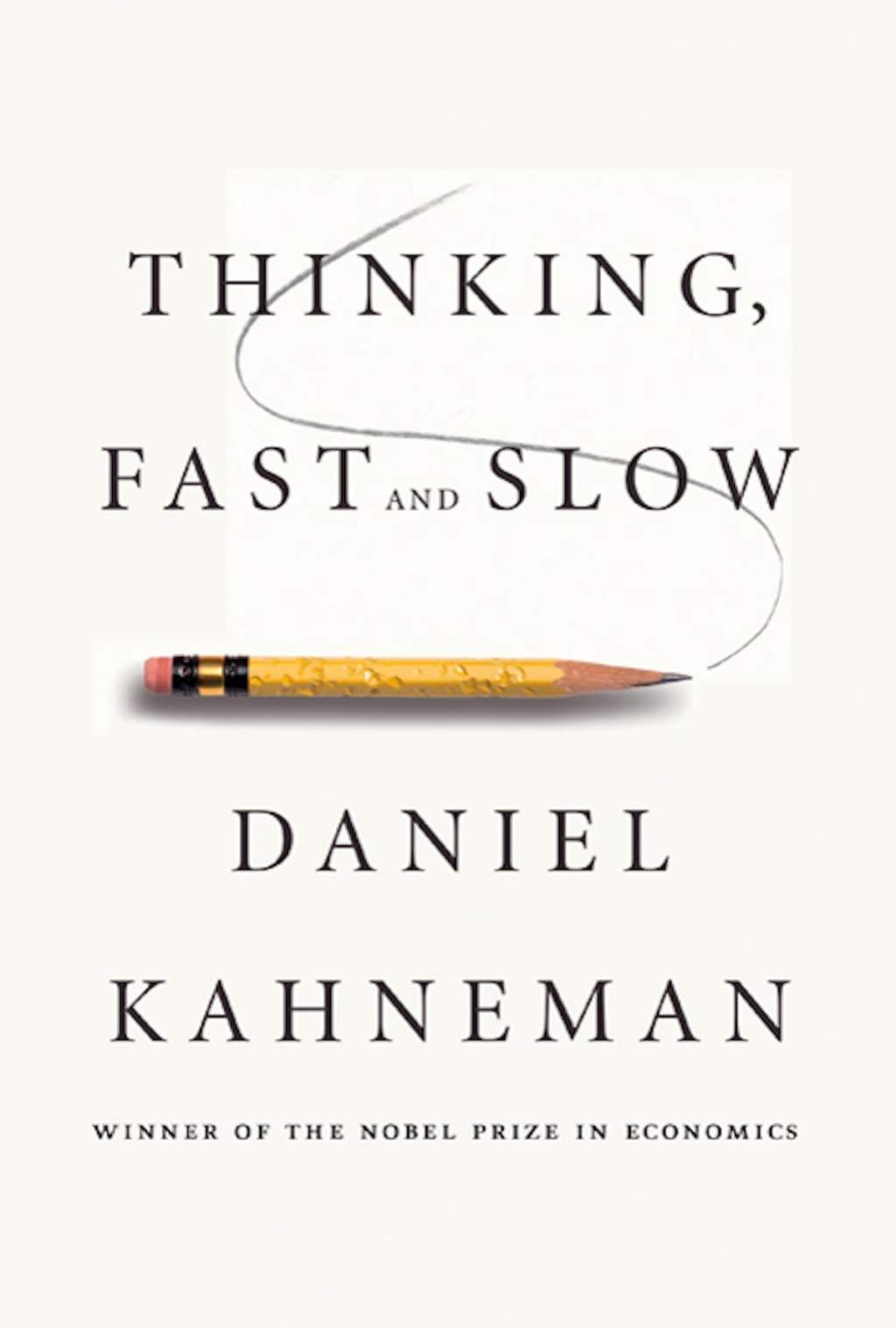
Few works have had as big of an impact on cognitive psychology as Daniel Kahneman’s “Thinking, Fast and Slow”. This ground-breaking work by a Nobel laureate provides deep insights into the two thinking processes that underpin human thought: System 1, which is quick and intuitive, and System 2, which is methodical and slow.
The Two Systems
Kahneman introduces us to System 1, the part of our brain that operates automatically, intuitively, and involuntarily. It’s the system we use for simple tasks like reading a billboard or solving ‘2+2’. It’s fast and efficient, but it’s also prone to errors and biases.
On the other hand, System 2 is responsible for thoughts and actions that require attention and deliberation, like solving complex problems or focusing on a conversation in a noisy room. It’s slower and more effortful, but it’s also more reliable.
The way these two systems interact has a significant impact on how we make decisions. According to Kahneman, we frequently rely too much on System 1, which can result in biases and mistakes. For example, System 1 is prone to confirmation bias, in which we look for data to support our preconceived notions.
Additionally, cognitive ease influences System 1; that is, phrases that are more familiar and easier to calculate look truer than ones that require more thought. This may result in the halo effect, wherein we judge an object or person entirely on the basis of one characteristic.
Making the most of System 1 and System 2’s combined capabilities can greatly improve our ability to make decisions. It all comes down to striking a balance: using System 1’s speed and efficiency for simple activities and decisions, and System 2’s analytical and thoughtful abilities for more complicated choices. It is important to recognize the biases and mistakes that System 1 can cause and to intentionally activate System 2 in order to balance out these biases.
When faced with a choice, for example, we can use System 1 to form an initial judgment and then use System 2 to assess this assessment while taking into account all available information and potential biases. Recognizing and appreciating the advantages and disadvantages of both systems helps us make more informed decisions. Making decisions that are more informed can result from the synergy created by utilizing both systems simultaneously.
Takeaways
“Thinking, Fast and Slow” forces us to examine how we make decisions. It motivates us to use System 2 more frequently in order to make more thoughtful and logical decisions and to be conscious of the biases that System 1 can introduce.
Kahneman’s research basically acts as a reminder of the complexity of the human mind. It pushes us to examine our gut feelings, think more slowly and thoughtfully, and be more aware of the prejudices that may color our judgment.
The book is a timely reminder of the importance of patient, deliberate thought in an increasingly fast-paced society. This book explores how humans see and interact with the world in addition to psychology. And that’s a lesson worth considering, whether you learn it quickly or slowly.
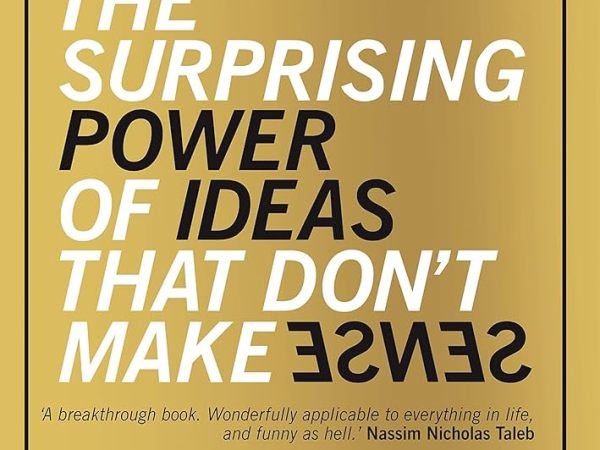
“The Alchemy” by Rory Sutherland
Rory Sutherland’s “Alchemy” challenges the belief that logical reasoning is essential for effective decision-making. He introduces concepts like psycho-logic and satisficing, emphasizing the emotional and symbolic aspects of human behavior to uncover creative solutions beyond strict rationality.
Keep reading
The Role of Carry Trading in the Recent Market Crash
In the intricate world of finance, carry trading stands out as a strategy that can yield substantial returns by exploiting interest rate differentials between currencies.
Keep reading
The Gig Economy: A Modern Trend with Untapped Potential
The gig economy, driven by digital platforms and workforce preferences, offers businesses agility, cost savings, access to diverse talent, and innovation. However, it also poses challenges requiring strategic adaptation for long-term success.
Keep readingSomething went wrong. Please refresh the page and/or try again.
 gabrieltrabka.com
Leave a comment