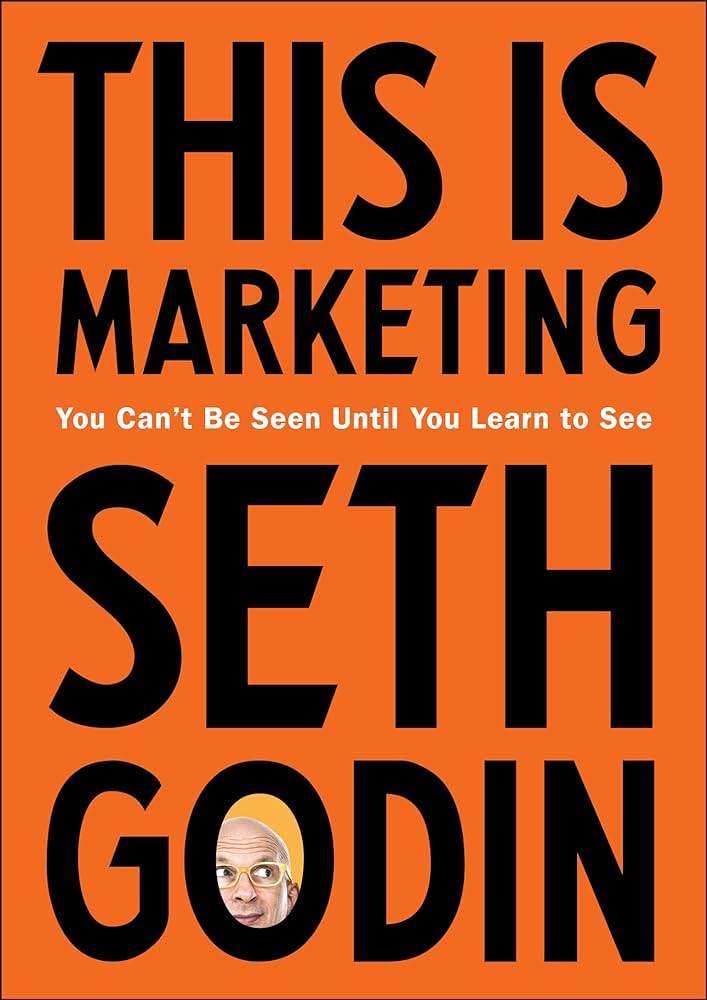
Seth Godin’s book “This is Marketing” offers a contemporary strategy for marketing that departs greatly from conventional methods. In contrast to mass marketing, the book places a strong emphasis on serving a specialized audience, empathy, and storytelling. The main concepts and thoughts from the book are as follows:
- Marketing as a Means to Make Change: Godin posits that the essence of marketing is about creating change in the marketplace and in people’s lives. It’s not merely about selling products but about making a positive impact.
- Empathy and Service: The significance of comprehending and having empathy for the intended audience is one of the book’s main themes. Instead of taking advantage of their audience to make money, marketers should try to help them and solve problems.
- The Smallest Viable Market: Godin suggests concentrating on the smallest feasible market rather than the vast market. In order to build trust and loyalty, this strategy entails finding a niche market and focusing marketing efforts on meeting their unique wants and preferences.
- Storytelling and Connection: Storytelling that connects with the audience, building relationships, and providing experiences that support their goals and values are all essential components of effective marketing. These testimonials ought to be sincere and accurately convey the worth of the offered good or service.
- Permission Marketing: In contrast to conventional interruptive advertising, Godin presents the idea of permission marketing. By interacting with consumers who have indicated a desire in hearing from the business, this tactic aims to establish a relationship based on mutual respect and permission.
- Generosity and Contribution: Godin encourages marketers to adopt a mindset of generosity, focusing on contributing value to their audience. This approach builds goodwill and strengthens the relationship between the brand and its customers.
- Tension and Status: The target audience’s dynamics of tension and status should be taken into account in marketing campaigns. By being aware of these factors, marketers can create messages that inspire people to act by appealing to their needs for dominance or connection.
- Brand Narratives and Culture: Building a strong brand narrative and culture is crucial. This involves aligning marketing messages with the brand’s values and the cultural context of the target audience, thereby creating a strategy where culture becomes an integral part of the marketing strategy.
- Continuous Learning and Adaptation: It is recommended that marketers always learn new things and modify their approaches in response to customer feedback and shifting market dynamics. Marketing initiatives can be more responsive and successful thanks to this agile methodology.
Godin’s book is about more than simply marketing; it’s also about knowing what your target audience needs, values, and wants. Instead of sending out as many messages as you can to as many individuals as you can, you should pay greater attention to these factors. The book shows readers how to market goods that are designed for particular social groups.
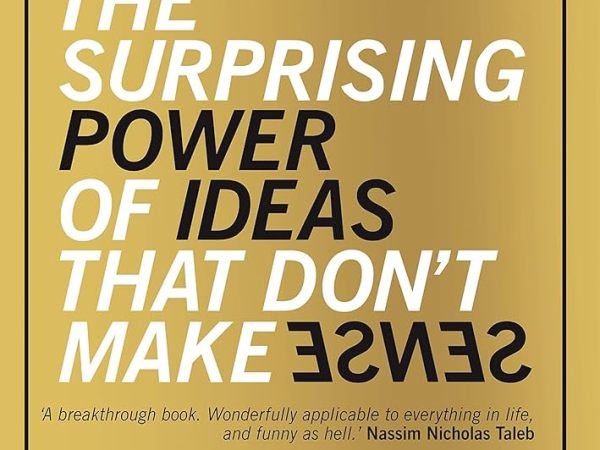
“The Alchemy” by Rory Sutherland
Rory Sutherland’s “Alchemy” challenges the belief that logical reasoning is essential for effective decision-making. He introduces concepts like psycho-logic and satisficing, emphasizing the emotional and symbolic aspects of human behavior to uncover creative solutions beyond strict rationality.
Keep reading
The Role of Carry Trading in the Recent Market Crash
In the intricate world of finance, carry trading stands out as a strategy that can yield substantial returns by exploiting interest rate differentials between currencies.
Keep reading
The Gig Economy: A Modern Trend with Untapped Potential
The gig economy, driven by digital platforms and workforce preferences, offers businesses agility, cost savings, access to diverse talent, and innovation. However, it also poses challenges requiring strategic adaptation for long-term success.
Keep readingSomething went wrong. Please refresh the page and/or try again.
 gabrieltrabka.com
Leave a comment